Reston Lakes: What Homeowners and Businesses Need to Know
Learn how Reston's lakes, docks, boating rules, and Lake Anne dam safety affect waterfront property owners, businesses, and lake users under Virginia waterfront law.
Published by Virginia Waterfront Law Team
Reston’s four lakes — Anne, Thoreau, Audubon, and Newport — do more than add scenic value to a walk or a property listing. They work as both recreation areas and storm-water infrastructure, which shapes how people use the water and how nearby owners think about docks, boats, and shoreline improvements.
This guide walks through everyday life on the water first, then explains the parts of Reston lakes waterfront property law that matter when you are buying, building, or budgeting near the shoreline.
Everyday Life on Reston’s Lakes
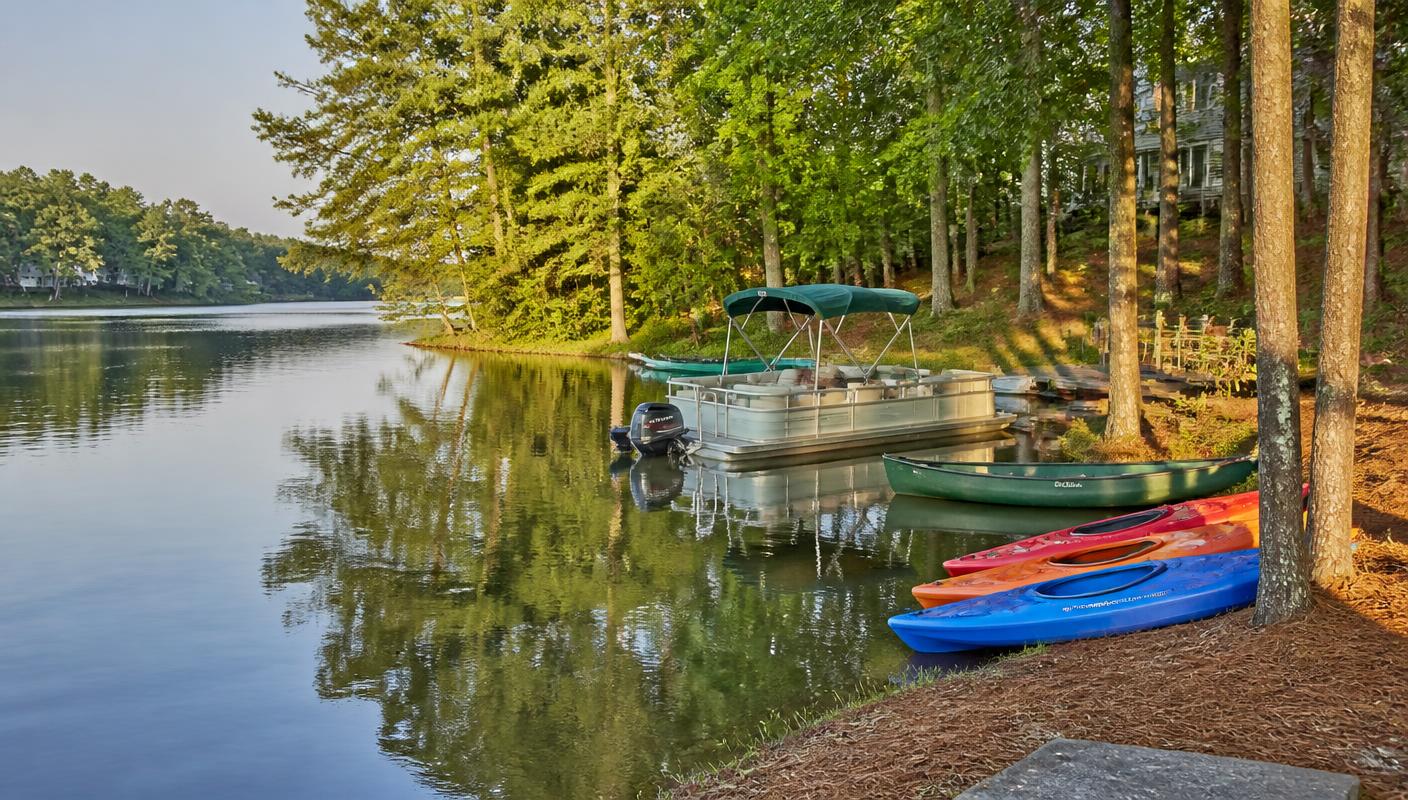
Reston Association (RA) describes the lakes as roughly 125 acres of recreation and storm-water management for members and their guests. Fishing, boating, wildlife watching, and lakeside picnicking are the main allowed uses.
The rules are also clear about what is off limits: swimming is prohibited in Reston’s lakes and ponds, and winter recreation on the ice is not allowed.
Those limits make more sense once you know how the lakes work. They are not operated like pools, and the water receives untreated runoff from the surrounding community. That is one reason lake access is centered on boating, fishing, and shoreline use.
Access also depends on where you live. Some homes back directly to the water, some clusters share docks, and other users reach the lakes through RA facilities or public-facing commercial areas such as Lake Anne.
Boats, Permits, and Where You Can Store Them
RA’s boating program is straightforward once you see the structure: every boat on an RA lake needs a permit, and there are separate permits for hand-carried boats and for boats that stay in the water.
General Lake Access permits
The General Lake Access permit is free for RA members and covers hand-carried craft — kayaks, canoes, paddleboards, and pedal boats. It is the permit most casual lake users need.
Permanent mooring permits
A Permanent Mooring permit is fee-based and applies to deck boats and pontoon boats that stay at the shoreline year-round. If you are buying a boat that will live on the water, this is the category to plan around.
Reston boating rules on size and motors
- Boats may be no longer than 18 feet and no wider than 10 feet.
- Only electric motors are allowed on the lakes.
- Internal combustion engines are prohibited except in limited emergency or authorized maintenance situations.
- Cluster and condominium rules can add restrictions on dock space, registration, and which boats may use a shared marina.
Before buying a boat, check both the RA requirements and your own association’s documents. The second set of rules is the one people usually miss.
Storage is its own question. A kayak that lives on a rack, a canoe pulled up on a cluster shoreline, and a pontoon boat tied at a shared dock are treated differently, and the space available is finite. If a cluster marina is full, a permit alone will not create a slip for you.
Commercial users face an extra layer. Rentals, event use, and business-run programs on the water raise insurance, access, and permission questions that go beyond the standard member permit, and those arrangements are usually documented separately with RA or the property owner.
Lake Thoreau’s Dock Project
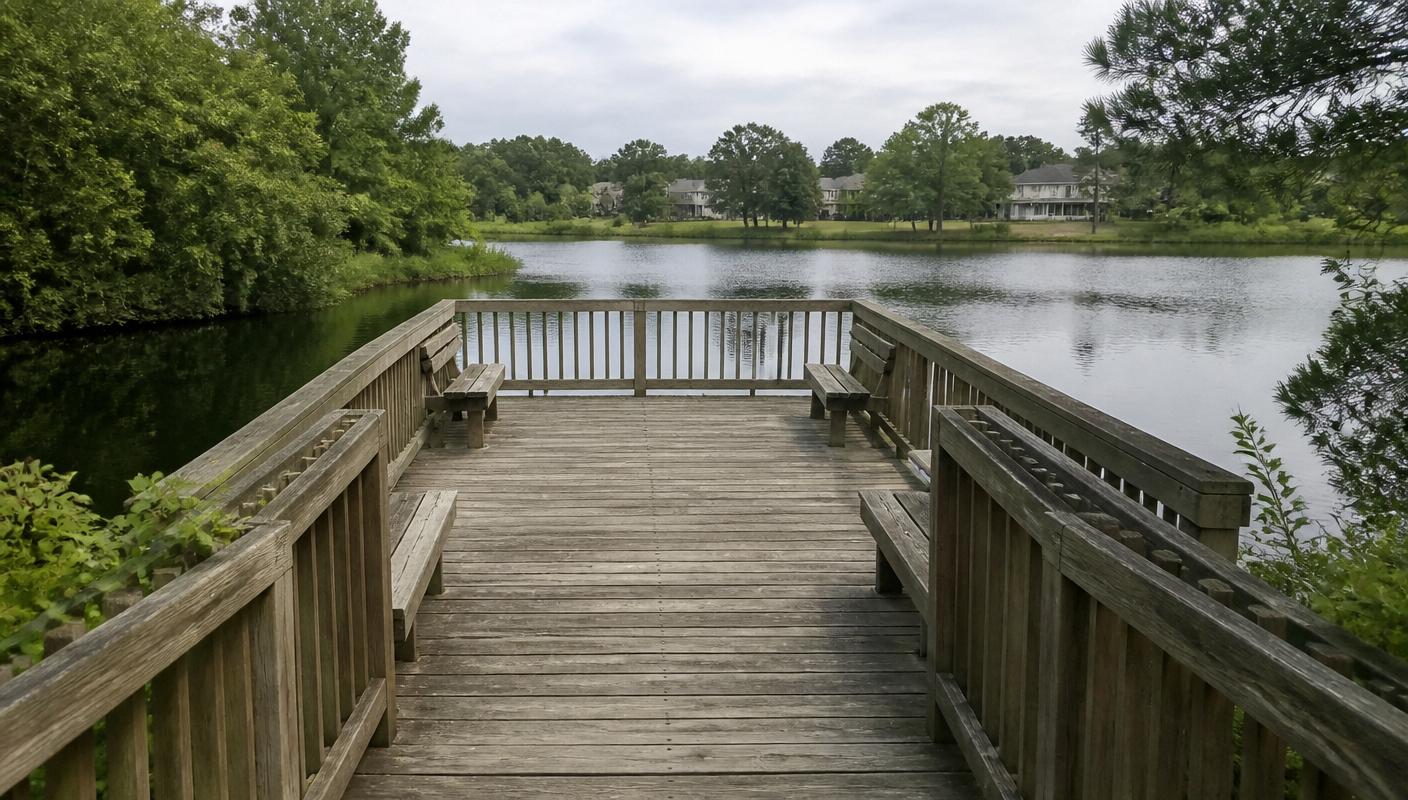
The observation dock below the Lake Thoreau pool is the most visible lake project in Reston right now. RA has identified the dock as needing repair, and its capital projects team has been studying renovation and replacement options.
In July 2025, RA held an onsite meeting to gather community feedback on the dock and nearby improvements, and local coverage indicated that design work is expected to continue ahead of future construction.
The project matters beyond one Lake Thoreau dock. RA’s Lakes Equity Working Group has been evaluating how people actually use the lakes and has raised ideas such as an ADA-accessible boat launch, better viewing and fishing platforms, and covered storage for rental boats.
For nearby homeowners and regular lake users, a relatively small capital project can influence future access, foot traffic, and expectations for other docks around Reston’s lakes.
Lake Anne Dam Safety
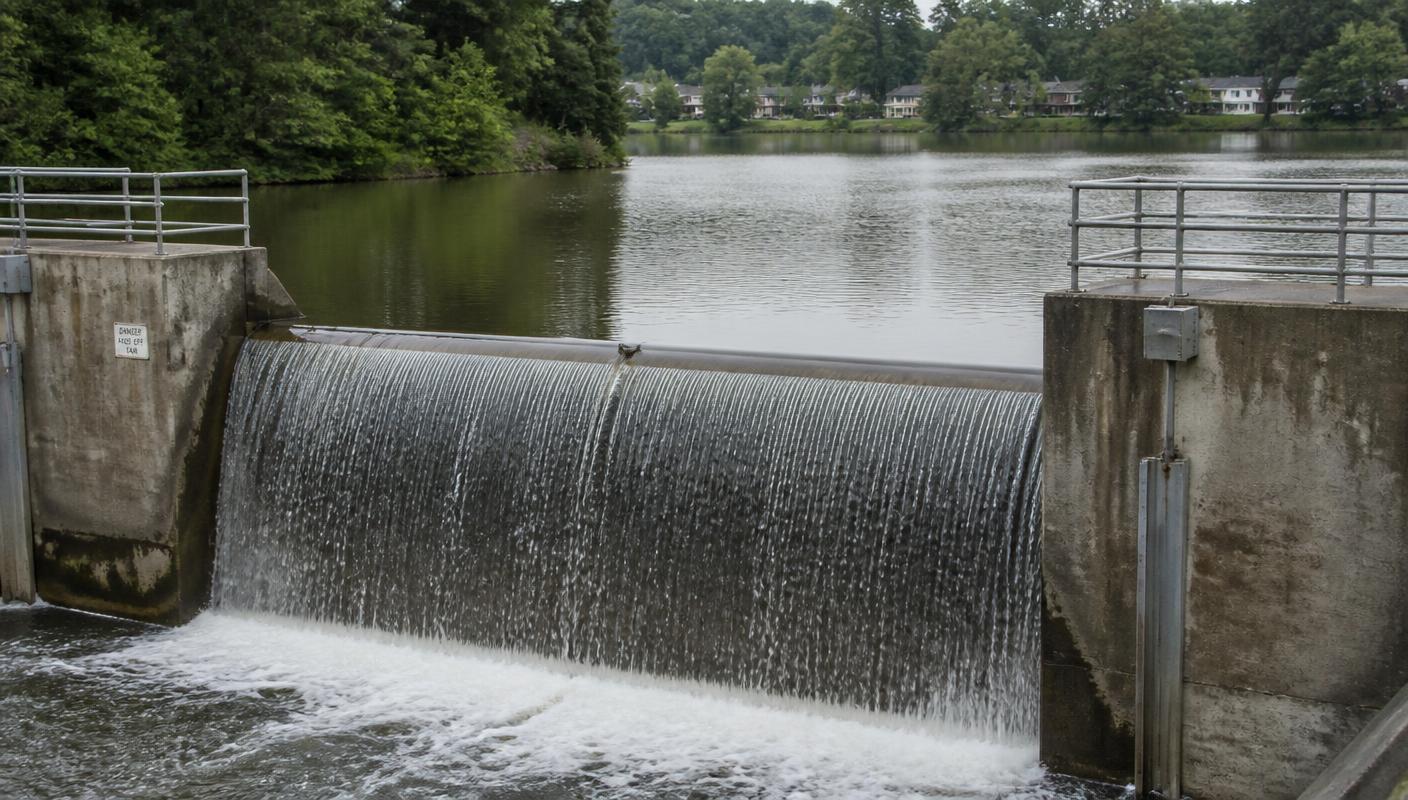
Lake Anne is one of Reston’s best-known waterfront destinations, and the lake is held back by a dam that has drawn regulatory attention.
State officials classified Lake Anne Dam as a high-hazard dam and determined that it did not fully meet regulations for handling the largest design flood. The Department of Conservation and Recreation required an alteration permit application to increase spillway capacity.
“High-hazard” is a plain-English label about consequences, not about the dam being on the verge of failure. It means that if the dam did fail, the downstream impact could include loss of life. That classification drives stricter inspection standards, engineering requirements, and deadlines.
For residents and businesses near Lake Anne, the practical effects are mostly about timing and money. Inspections and improvements can temporarily affect lake levels or shoreline conditions, and the cost and schedule of required work can shape long-term planning for the association and the community.
Virginia guidance is consistent on one point: owners of high-hazard dams carry real Virginia Dam Safety Act obligations, and delay tends to make the legal and financial exposure worse rather than better.
Property Rights Under Reston’s Lakes
One of the more interesting questions in a lake community is who owns the land under the water. That land is called bottomland.
Under Virginia law, the state usually owns bottomland under tidal waters and many navigable waterways, but bottomland under lakes and ponds is generally privately owned. In a community like Reston, the land beneath part of a lake may belong to a private owner or an association rather than to the Commonwealth.
Who owns the bottomland matters because it helps answer who may build, extend, or modify a dock, and who controls a particular stretch of shoreline. Deeds, plats, association documents, and agreements with RA all feed into that answer.
The related concept is riparian rights in Virginia — the bundle of rights that comes with owning land next to water, including reasonable access to the water. Around Reston’s lakes, those rights are shaped heavily by private documents, so two neighbors on the same shoreline can have meaningfully different rights.
Businesses near the water should read these documents just as closely. Patio seating, private piers, kayak launches, and event space along the shoreline can all depend on rights granted in recorded documents rather than on general property ownership, and those rights can carry conditions about maintenance and public access.
Owners also ask about risk. Dock use, shared access, and shoreline conditions all raise questions about liability near your waterfront property, especially where guests, renters, or commercial visitors are involved.
Practical Next Steps for Owners and Lake Users
- Read RA’s lakes, boating, and FAQ materials before assuming anything about swimming, boating, permits, or dock use.
- Read your cluster or condominium rules separately — they may add restrictions beyond RA’s general standards.
- Treat shoreline and dock work as a regulated project, not a simple home improvement, especially near a dam or storm-water infrastructure.
- Watch for lake reports, algae advisories, and project updates that can affect access or water conditions.
- If you are buying, review the deed, plat, and association documents early — the buyer beware rule applies with real force to waterfront purchases.
Timing matters as much as substance. Association approvals, engineering review, and any state permitting run on their own schedules, so a shoreline or dock project started in spring is rarely a spring project. Building review time into your plan is usually cheaper than fixing work that was done first and approved later.
Local context helps too. Our Reston waterfront property lawyer page collects the association, dock, and dam-safety issues that come up most often in this market.
Frequently Asked Questions
Can you swim in Reston’s lakes?
No. Swimming is prohibited in Reston’s lakes and ponds, and winter recreation on the ice is not allowed either. The lakes serve as storm-water management as well as recreation, and they receive untreated runoff, so RA directs water access toward boating, fishing, and shoreline use instead of swimming.
Are gas motors allowed on Reston lakes?
Generally no. Only electric motors are allowed on RA lakes, and internal combustion engines are prohibited except in limited emergency or authorized maintenance situations. Boats are also capped at 18 feet long and 10 feet wide, so plan a purchase around those limits before you buy.
What is the status of Lake Anne Dam?
Lake Anne Dam is classified by state officials as a high-hazard dam and was found not to fully meet regulations for the largest design flood. The Department of Conservation and Recreation required an alteration permit application to increase spillway capacity, so the work is on a regulatory track.
How does Reston Association control docks and boat storage?
Through permits and shoreline rules. Every boat needs a permit — a free General Lake Access permit for hand-carried craft, or a fee-based Permanent Mooring permit for boats kept at the shoreline. Dock use and storage may be further limited by cluster or condominium rules.
Who owns the land under a Reston lake?
Usually a private owner or an association, not the Commonwealth. Virginia treats bottomland under lakes and ponds as generally private, unlike tidal and many navigable waters. Deeds, plats, and association agreements decide who controls a given stretch of shoreline and who may build there.
If you own or are considering owning waterfront property around Reston’s lakes and want help interpreting your deeds, association rules, and dam-safety obligations, the Waterfront Property Law team can walk through the details with you. A careful review of the documents often answers questions that public summaries cannot.