
How to Get an Injunction to Stop Waterfront Construction in Virginia
When construction threatens your property, acting fast is the difference between prevention and permanent damage.
When Waterfront Construction Becomes an Emergency
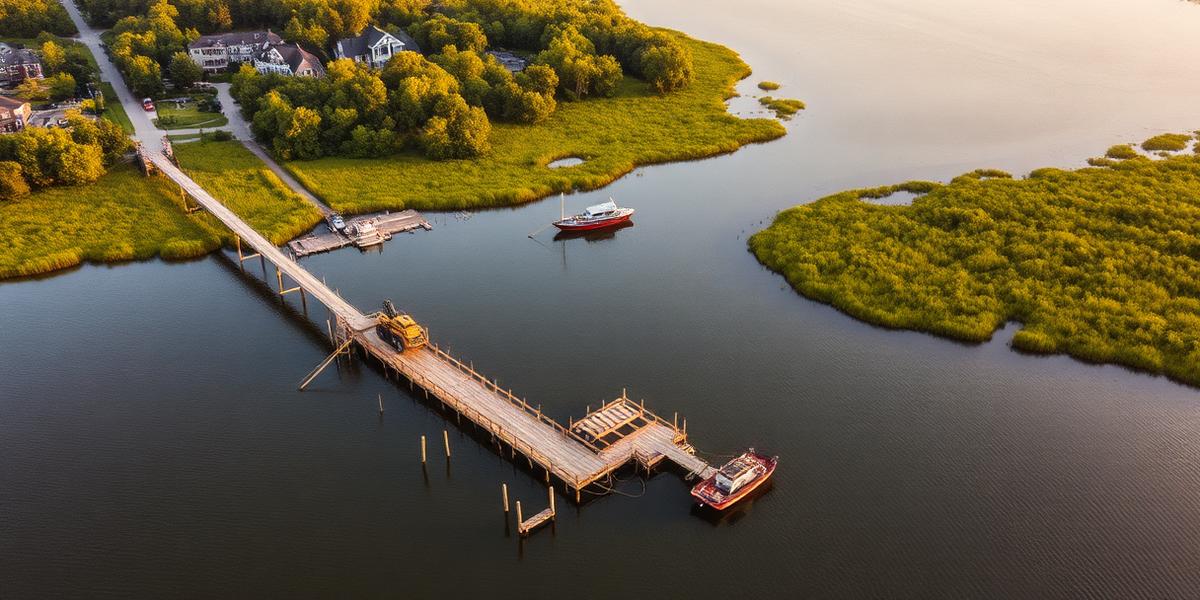
It often starts without much warning. A contractor shows up. Materials are delivered. Pilings go in. And suddenly, a dock or shoreline structure is being built that may interfere with your property.
If construction crosses into your riparian area, blocks your access, or changes shoreline conditions, the impact may be permanent. In many cases, your only real option is to pursue an injunction to stop construction in Virginia—and to do it fast.
What Is an Injunction—and Why Acting Quickly Matters
An injunction is a court order requiring someone to stop a specific action. In waterfront disputes, that usually means stopping:
- Dock or pier construction
- Bulkhead or shoreline stabilization work
- Encroachment into disputed waterfront areas
Types of Emergency Relief
- Temporary Restraining Order (TRO)
Immediate relief — can be issued within days
- Preliminary Injunction
Pauses construction while the case moves forward
Timing is critical. Courts are far more willing to stop a project before it is completed than to undo it afterward.
When Can You Legally Stop a Neighbor's Construction?
You cannot stop a project simply because you disagree with it. Courts require specific legal grounds. Typically, you must show:
Many of these disputes center on waterfront riparian property rights—particularly when a structure interferes with access to the water or overlaps a legally defined boundary.
Common Situations That Lead to Emergency Injunctions
- A neighbor building a dock that crosses into your riparian area
- Construction that blocks or limits navigational access
- Shoreline work that increases erosion or alters water flow
- Projects moving forward without proper approvals
- Disputes over unclear or overlapping waterfront boundaries
Many of these conflicts arise during projects like building a pier in Virginia, where what looks like a routine improvement can quickly become a legal dispute.
Step-by-Step: How to Get an Emergency Injunction
Emergency injunctions require swift, strategic action at every stage.
Immediate Legal Evaluation
Time is the most important factor. An attorney will assess whether your property rights are being violated, whether the harm qualifies as "irreparable," and how quickly action must be taken. Delays—even by a few days—can weaken your position.
Filing for Emergency Relief
If the situation qualifies, your attorney may file for a temporary restraining order. This typically includes a verified legal complaint, sworn statements (affidavits), and supporting evidence such as photos, surveys, and plans.
Presenting Strong Evidence
Even emergency cases require clear, persuasive evidence. The strongest injunction cases include a professional riparian survey and site plans showing encroachment or impact on your property.
Court Review and Decision
The court may issue an immediate temporary restraining order, schedule a rapid hearing for a preliminary injunction, or deny the request. If granted, construction must stop—sometimes immediately.
Is Construction Threatening Your Waterfront Property?
The sooner you act, the more control you have over the outcome. Get immediate legal guidance.
Get a Free ConsultationWhy Waiting Can Cost You Everything
One of the biggest mistakes property owners make is waiting to "see how things play out." By the time construction is finished:
- Courts are less likely to order removal
- The focus shifts to damages instead of prevention
- Your leverage is significantly reduced
This is especially important in waterfront cases, where environmental and regulatory considerations—like those discussed in environmental law affecting shoreline property—can make reversal even more difficult.
What If the Project Has a VMRC Permit?
Many waterfront projects require approval from the Virginia Marine Resources Commission (VMRC). However, a permit does not automatically eliminate your rights.
You may still be able to challenge construction if:
- It exceeds what was approved
- It interferes with your property rights
- The permitting process failed to address key issues
For additional context, see what happens at a VMRC hearing.
What Happens After an Injunction Is Granted
If the court grants an injunction:
- Construction must stop immediately
- The dispute proceeds through the legal process
- Settlement or negotiated resolution may follow
If the injunction is denied, other legal options may still exist—but time remains a critical factor.
Why These Cases Require Immediate, Strategic Action
Emergency injunction cases are not just about filing paperwork—they are about acting quickly and presenting the right evidence in a very short window.
An experienced waterfront attorney can:
- Move quickly to preserve your rights
- Identify the strongest legal arguments
- Coordinate technical evidence
- Present your case effectively under time pressure
Don't Wait Until Construction Is Complete
Waterfront construction disputes move quickly. Once the structure is in place, your options become more limited and more expensive. When you call, you speak directly with a real attorney—not a call center—about your situation and what steps may make sense.
Contact the Waterfront Law Team